Tag: iPhone

  • Facebook Takes a Page Out of Snapchat’s Playbook (Again) With Ray-Ban Stories

    Timing is everything in marketing. Take QR Codes for example, which have literally been around for decades. When mobile devices and social media first started to really take off there was a push, mainly from marketers, to drive adoption of QR codes. The problem though was that at the time users still needed a separate QR Code Reader app and as we all know any additional friction for the consumer is often a death knell. Years later Apple integrated the ability to read QR Codes right into the iPhone camera, which made everything more seamless. But it wasn’t until the Covid pandemic that QR Codes finally took off and maximized their potential. Why? With people looking for more contactless options while out to eat, QR Code menus were the perfect coupling of timing and necessity.

    I provide that diatribe to hammer home the fact that Augmented Reality glasses are far from a new idea, but Facebook (and Ray-Ban) are hoping to run where Google Glass fell.

    Snapchat seemed primed to take the AR sunglasses baton years ago with the release of Spectacles back in 2016, but they never gained mainstream popularity despite a fever dream of a guerrilla marketing campaign that involved vending machines randomly popping up across the country.

    Old heads like me who bought the original Snapchat Spectacles are looking at the new Facebook Ray-Ban Stories like Miranda Hillard in Mrs. Doubtfire.

    Facebook is no stranger to borrowing ideas from its competitors (see: Instagram Stories) so the social media giant is hoping to build upon the missteps of Snap in its latest venture. Snap Spectacles were nearly impossible to buy for months after launch due to an intentional and artificial scarcity and it may have been turned off curious customers who swiftly moved onto the next thing. Credit to Facebook too for the smart decision to partner with legendary sunglasses brand Ray-Ban to design something that people will actually want to wear beyond just the techies.

    Time will be the ultimate judge here, but Facebook isn’t merely dipping its toes into the AR and VR market, rather its dove headfirst into the space with a huge bet on the metaverse. So with enough clout, marketing savvy, and some good timing Facebook could be the ones to finally bring AR glasses mainstream.
  • Pokemon Go: Has the Excitement Over Augmented Reality Been Premature?

    After being in the market for a few weeks now, soaring to unheard of levels in popularity, as well as revenue ($200M and counting), Pokemon Go has cemented itself as a cultural phenomenon. For now.

    IMG_3804
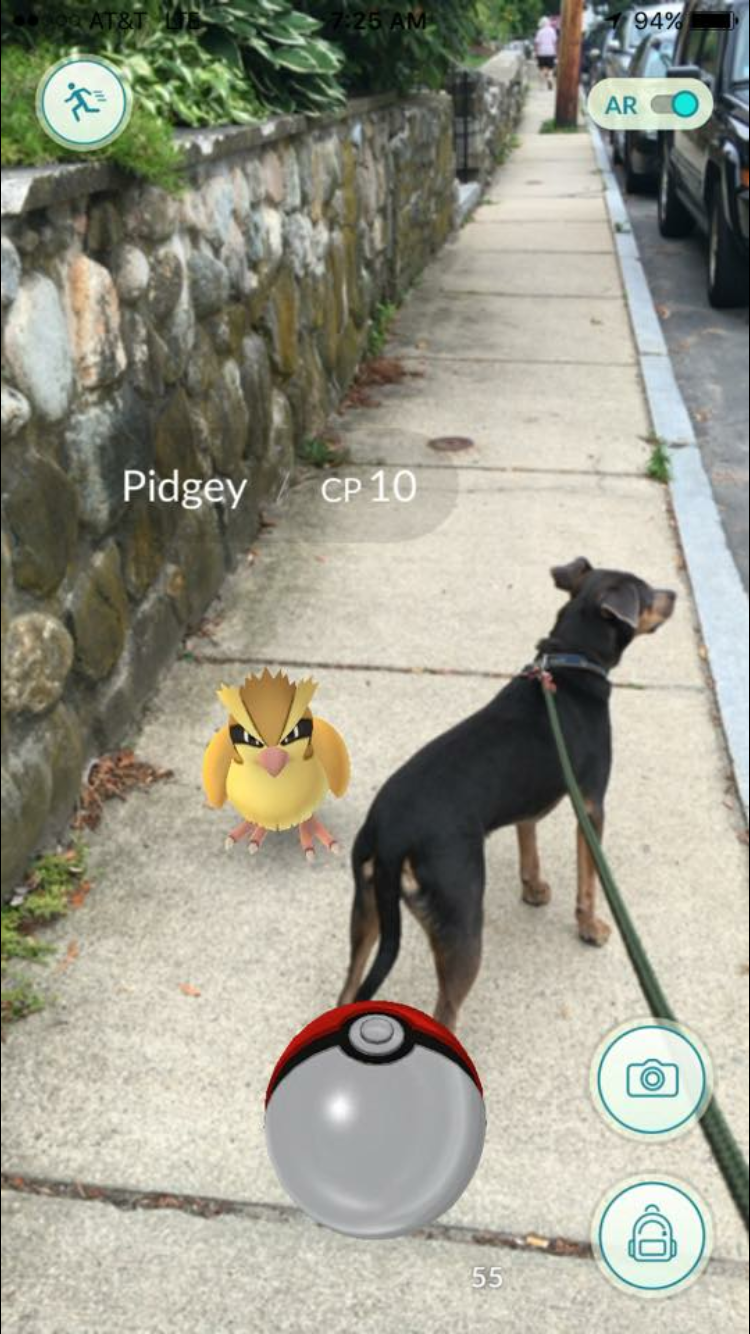
    One of the biggest features of the game and something both the tech and marketing industries are salivating over is Augmented Reality (AR). With AR, users can find and capture Pokemon on their phone’s camera so it integrates the digital world with the real world; essentially the bridge to the all encompassing Virtual Reality.
    As the marketing and tech worlds clamor over how to take advantage of, and monetize, the sudden massive popularity of AR, there’s just one question that people seem to be missing. How many people are actually using the AR function in Pokemon Go?
    IMG_3627
    While the AR is an intriguing feature, the more people you see playing the game, the more you realize just how many people have turned the feature off. For one, it makes the game easier to play and in some cases safer (for users that play on a bike or even while driving).
    IMG_3576
    Albeit a small sample size, I polled users on Twitter and Reddit and more than 80% of respondents answered that they never use AR in Pokemon Go. So has the AR excitement been premature or is the new wave of AR Marketing coming sooner than we all expect?

    It might be a bit longer, or perhaps even just take minor game enhancements, to get more people on board with the AR and thus open the floodgates for marketers. I’ve heard users complain about the AR making the camera too shaky or even causing the Niantic app to crash more frequently. In the meantime though, marketers can and should expect to take advantage of the massive popularity of the game. With more active daily users than Twitter, it’s clear the attention is there so now it’s just a matter of capitalizing on that attention without alienating users. Companies like McDonalds are getting into the game earlier than most with sponsored Pokestops. You’ll soon be seeing McDonald’s locations that are like Lure’s and Incense on steroids and perhaps even feature exclusive content.

    The number one goal of a brick and mortar business is to drive foot traffic and nothing does that better than a massively popular mobile app that legitimately forces people to walk around.

    IMG_3805
    Google (who partners with app creator Niantic) has been pretty tight lipped about how marketers can get involved up to this point. So unless you’re one of those massive brands, you’ll need to rely on “old school” marketing like manually dropping Lures if you happen to be lucky enough to have a Pokestop near your business. Plenty of businesses have jumped on that opportunity already. I’ve seen it at a bar, an ice cream shop and even a hotel offering a discount on your meal. Whether AR is ready to make the jump to mainstream or not isn’t clear just yet, but what is apparent is the huge opportunity Pokemon Go presents for marketers everywhere.
  • Facebook Video Updates Include Split Screen; Could Be a Boon for Advertisers

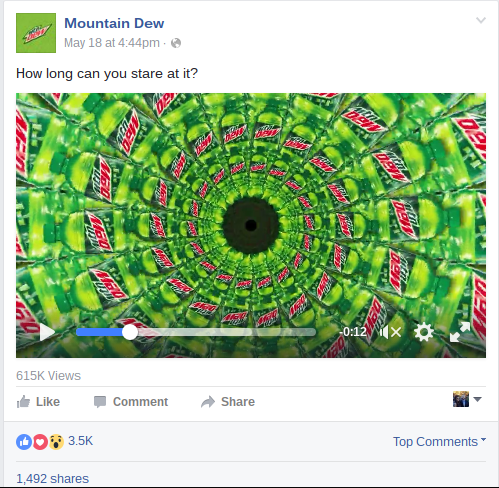
    A new update to Video Ads on Facebook could be a boon for advertisers. The more and more content, ads, options that get pushed out there the less and less time and attention your stuff will get. Opportunity is constantly shrinking so it’s up to the advertiser to find new and different ways to engage the customer. We’re day trading in attention here so the key is to find out what will grab a user and what will keep them the longest because that’s going to give you the best opportunity to drive a conversion and make a sale.

    This new update to Facebook Video will essentially allow users to watch a video and click through to view your website without waiting until the video ends or having to leave Facebook at all. It opens up a split screen option so users can view your website while still watching the video in their browser, uninterrupted.

    I’m predicting this will have a huge positive effect on the percentage of videos viewed. People don’t have to interrupt what their doing or wait any extra time to learn more, they can watch the entire video all while multi-tasking on the brand’s website to find what they need quickly. Keep in mind this is only for clicking on a video link ad on iOS. Facebook is also saying that “In early testing, advertisers have seen a significant decrease in cost per click and cost per conversion.” So initial results are looking good at least.

    The same experience goes for Mobile App Install Ads, rather than waiting for the video to end and/or sending a user to a separate experience, they will be able to watch the video in split screen while (on iPhone only) opening up the App Store to download the app, all while still watching the video simultaneously. Efficiency at its finest.

    Full release from Facebook below:

    Updates to Video Link Ads and Mobile App Install Ads

    We recently launched a new experience for video link ads in the website click and website conversion objectives that creates a more engaging experience for people when completing lower-funnel objectives. When people click on a video link ad on iOS, they can now browse your business’ website while watching the video from the ad, uninterrupted. People no longer have to stop a video mid-way or wait for the video to end to visit your website. In early testing, advertisers have seen a significant decrease in cost per click and cost per conversion.

    Additionally, we have made improvements to the video experience for mobile app ads. In the past, when people tapped on your video mobile app install ad, the video would play in full screen. To improve the experience both for people and our advertisers, we have updated this design. Now on iPhone only, when people tap on your mobile app ad with video creative, they will be taken to the Apple App Store with your video creative still playing in a split screen.