Social Content • Marketing • Brand Strategy

Red is a former journalist turned marketer with 15+ years of experience both on the agency side working with entrepreneurs to public companies, as well as in-house working with brands on marketing strategy and hands-on content creation that supercharges brands, builds community, and drives customer acquisition.
-
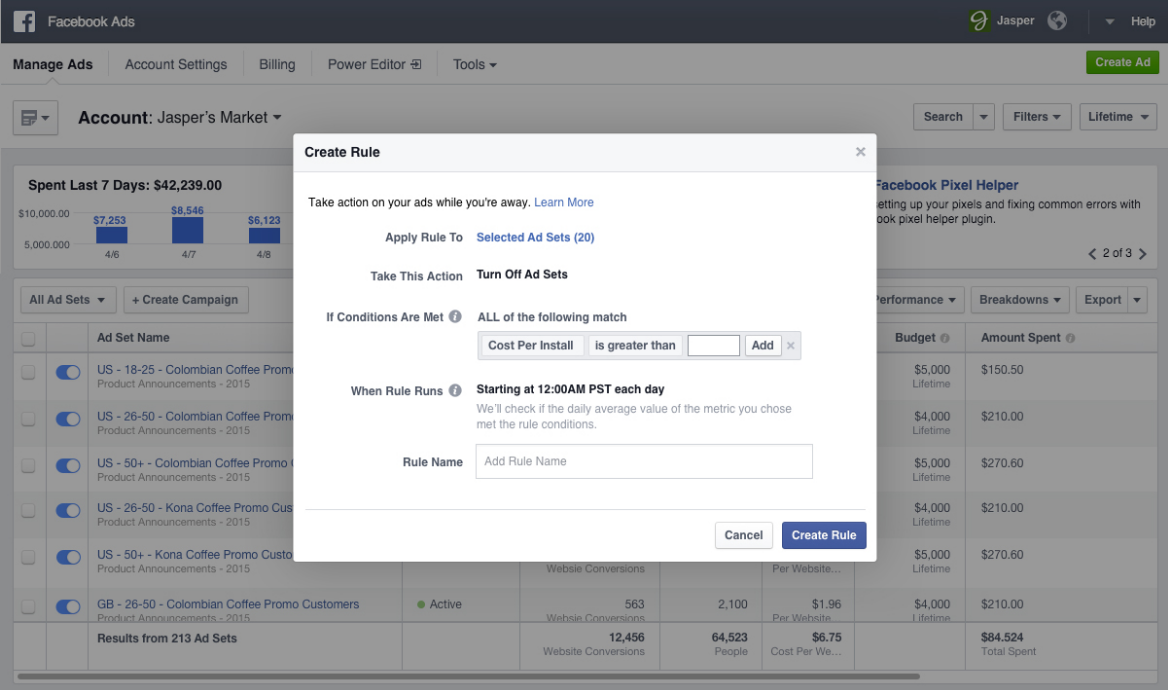
Automate More, Worry Less with Automated Rules on Facebook

If you’re like me and don’t want to double check your Facebook ad campaigns every day to monitor certain thresholds you’ve set, such as a target Cost per Acquisition, then you will be psyched to learn about Facebook’s latest feature: Automated Rules. Automated Rules allow you to automate your campaigns to turn off when they hit certain thresholds or meet certain conditions, as well as notify you.

For example, if you want to keep your Cost per Click under $1, but don’t want to check it every single day to monitor, using Automated Rules you can set your ad to turn off if the CPC goes over $1 as well as send you a notification about it.
Another example that could be especially useful for Remarketing campaigns revolves around Frequency. Remarketing campaigns are obviously great for a more targeted and interested user, but with that comes a smaller audience size. With this smaller audience, it is much easier to see Frequency numbers get out of hand and have users being served the same ads over and over again, which will kill your Relevance Score. So you can now set your target threshold using Automated Rules and have your ad shut off as well as alert you if the Frequency goes higher than you’d like it.
This could save marketers a ton of time if you manage a lot of ads and ad campaigns for larger clients, but don’t want to spend time double checking certain key metrics for every ad every day.
Facebook is rolling this feature out now as they do with all new updates, but I only first saw it last week. So if you haven’t seen it yet, keep your eyes peeled.
-
Store Visits Tracking from Facebook Hits the Shelves

Unless you’re a big brand or agency, you probably haven’t gotten direct access yet to Store Visits tracking on Google or Facebook. It looks like Facebook is now rolling out their version of the metric with a new ad objective.
“With over 90% of all transactions still taking place offline, driving customers into a store, restaurant, auto dealership or other place of business remains a primary marketing objective for any advertiser with brick-and-mortar locations.”
Essentially the feature allows you to determine how many users visited your business location after clicking on a Facebook ad. While this is exciting news to anyone that advertises on Facebook, there are minimum thresholds that need to be met before FB will grant eligibility.
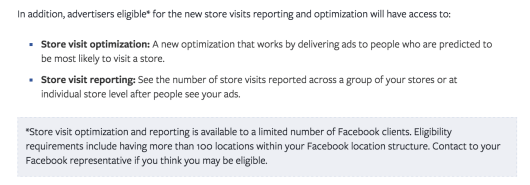
This has been something marketers have been craving for as long as digital has been driving sales. Everyone has micro-moments, everyone does research online and many people make purchases online, but what about the people that just go into a store to make the final purchase? If not attributed directly or proper expectations are not set, marketers can oftentimes be left out to dry by the gap in data. So while it remains to be seen how well this new ad type will work, it is quite exciting for any brick and mortar locations.
“This objective has been specifically created for brick and mortar businesses who want to reach customers in the right location, with localized ad content and the ultimate goal of driving customers in-store. Additionally, over the next couple weeks, we are rolling out enhancements to the Store Visits objective which will allow you to not only report on store visits, but optimize your ads towards those most likely to visit.”
Facebook is describing this as the “Evolution of Local Awareness on Facebook and Instagram.” They might be right.
-
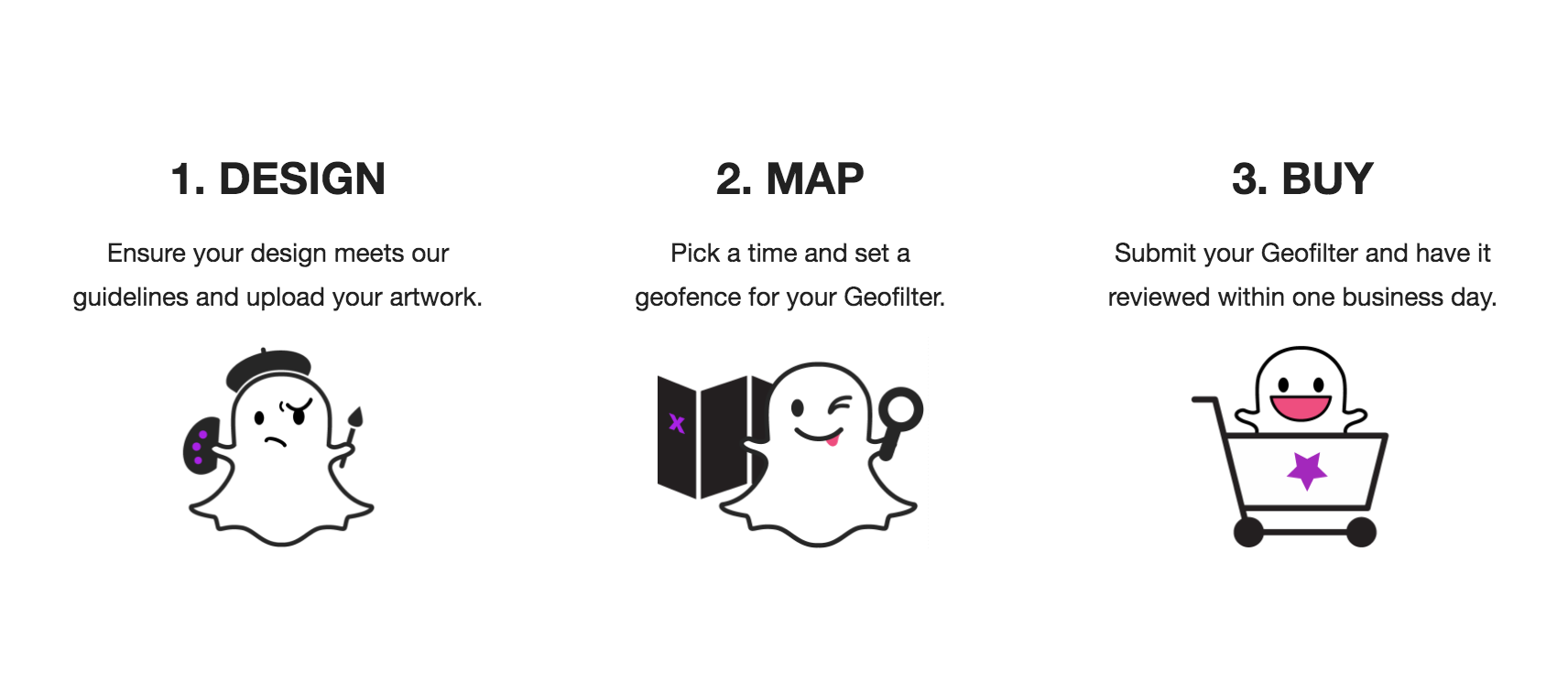
Snapchat Just Made it Even Easier to Create Custom Geofilters

Snapchat has just made it even easier for businesses to create their own custom Geofilters. Snapchat Geofilters are one of the best ways to quickly and easily get brand awareness. Of course just even making them for fun (or as a product to sell) works too. I recently made a Geofilter for a wedding, geofenced it to the block that the hotel was on and Bam, all my snaps had that extra flair. Plus these are super inexpensive if you are only targeting small areas, but they can get a bit pricey when targeting large parts of a city. So choose wisely as these may be better for specific events rather than an ongoing campaign based on your budget. The big update is that Snapchat now offers tools on the platform itself to create your own Geofilter without any design knowledge needed. So no more Photoshop skills necessary!
- Go to Snapchat.com and click on the Snapchat Geofilter link at the top of the screen.

- Click On Demand to create and schedule a Geofilter for a specific time and location.
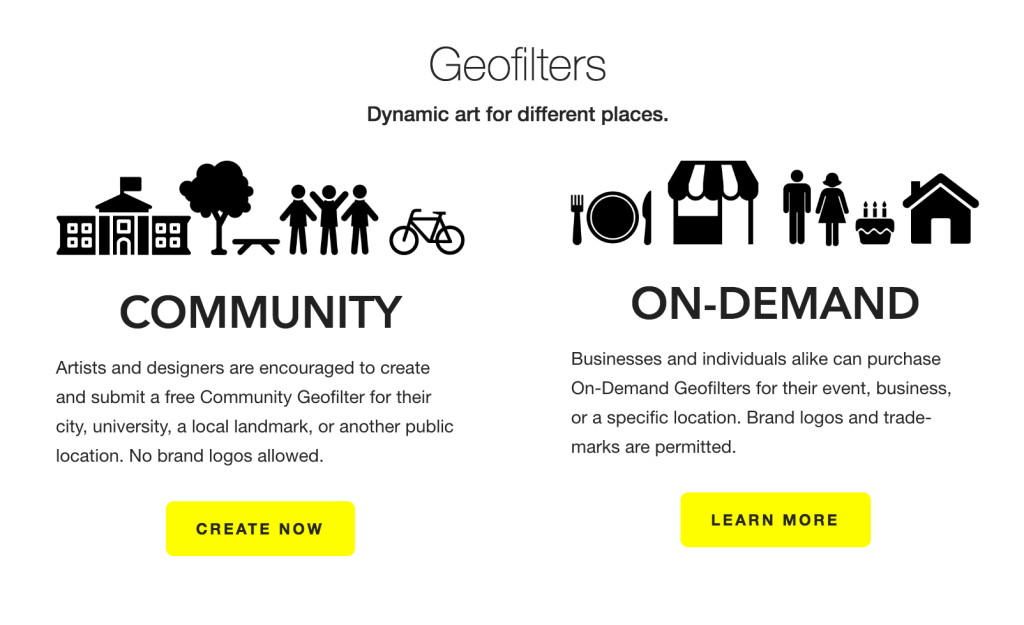
- Once you’re on the On-Demand Geofilter page click Create Now.
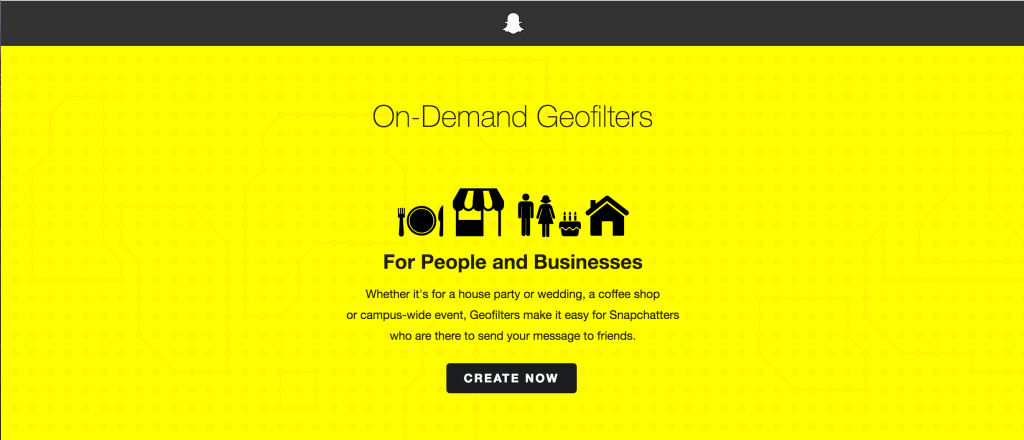
- Review the guidelines Snapchat has laid out for best practices

- Click Create Online (previously you would have had to build on one your own or use a generic template).

- Welcome to the Snapchat tools section, now experiment and create something!

-
How to Uncover (Direct/None) Referral Traffic in Google Analytics

Have you noticed in your client’s Google Analytics that certain sources are not being identified clearly in Source traffic? One of the best ways to alleviate this issue is to use URL Parameters modifiers to essentially call out where the traffic is coming from. This helps GA tag the traffic coming in and sorting it into its own specific source, which allows you to identify and confirm the referral source.
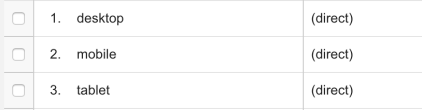
This is an issue I know most marketers are aware of as (Direct/None) traffic can be a number of things. It’s not very likely that every one of your customers is typing in the long, specific URL every single time though. What’s more likely is that Google doesn’t know exactly how to sort the traffic or identify where it’s coming from.
I recently identified this issue for a website who’s Facebook tracking wasn’t firing and Analytics wasn’t reporting much referral traffic coming from Facebook, despite plenty of paid ad clicks. So looking through GA you’re likely to notice a large portion of traffic from Direct/None and while it’s unlikely to ever uncover 100% of the unknown traffic, you can tag URL’s from traffic that you know you’re driving, to help close the loop.
So how do you accomplish this? Below are a few quick steps to use URL Parameters to tag your traffic for GA to more easily sort. Note, this specific example was for tagging Facebook referral traffic.
1.) Identify that your ad traffic definitely isn’t being reported accurately in Google Analytics.
2.) Pull the URL of wherever you are driving traffic (i.e. example.com/product)
3.) In the case of Facebook, you’ll add the following URL Parameter at the end of the url:
?source=facebook (i.e. example.com/product?source=facebook)
4.) Copy and paste that URL into your browser to make sure it doesn’t cause any errors or unexpected reroutes.
5.) After sufficient clicks on your ad using this URL Parameter, go into your Google Analytics > Behavior > Content > All Pages. This will allow you to see what pages all of your users are landing on.
6.) Using the URL Parameter you set up earlier you can identify that specific landing page (example.com/product?source=facebook), which you’ve tagged as coming from a specific source. In this case it’s a Facebook ad, so GA will sort out that traffic and label it with the new URL so you can easily identify this traffic is in fact coming from your Facebook ad — breaking it out of the ambiguous Direct distinction.
You’ve now uncovered your referral traffic out of (Direct/None) in Google Analytics!
-
How to Bring Your Offline Customers Online with Facebook Advanced Matching

Facebook continues to roll along towards it’s goal of being omniscient by identifying more and more layers of audiences for marketers to target. With the recent updates to the Custom Audience Interface for Advanced Matching, Facebook makes it possible to target a custom audience even more accurately than before.
In the past, when Custom Audiences were first introduced you needed to have a customer email address and then hope it matched up with the email address they used on their Facebook account. Unsurprisingly the match rate wasn’t incredibly high. Then Facebook introduced phone number matching, which helped a bit. But now with the Advanced Matching update you can use those data points plus, first and last names, DOB, gender, zip and more.
Now while on the surface this may not seem that exciting, but just imagine some of the possibilities for certain campaign types. Facebook even says it itself:
“With this update, you will be able to leverage the offline customer data you have (e.g. direct mail data, voter file) to find your most valuable customers on Facebook.”
So if you were running a political campaign and knew exactly who your voter base was, you could upload that file and hit those exact people on Facebook rather than relying on demos and interest targeting! Or even using that offline voter information to target users on Facebook with Lead Ads to gather more info to add to your other marketing platforms like an email list. Round and round we go. This could help politicians drive much higher lift, brand recall and ultimately improve sentiment rating if they’re hitting their offline users with a specifically targeted message on Facebook to the same audience.
You could also use this feature to provide air support for any traditional marketing you’re running. So if you’re running a direct mail campaign, use that same data you have and apply it to Facebook to hit the same users, at a much higher match rate, to provide that digital support for your traditional campaign. Currently, Facebook says from early tests, clients have been able to match 54% of their offline customer base. Not too shabby.
“By reaching your offline audiences online with relevant marketing messages, you will be able drive greater success for your Facebook campaigns, while boosting the performance of your direct mail marketing via simultaneous offline and online messaging.”
-
How to Create a Facebook Sales Funnel for Your Website
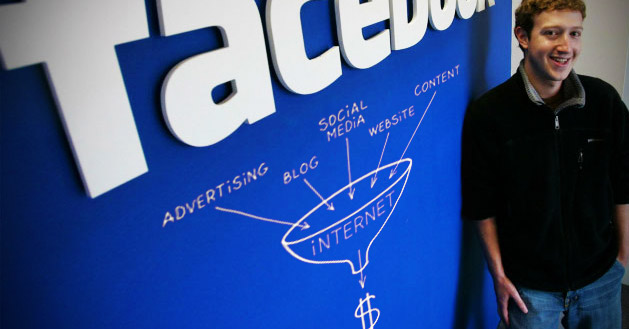
Photo via BoostLikes.com With the insane level of targeting and reporting that advertisers can access on Facebook, it would be shortsighted to not take advantage of everything available. I’m going to give a quick breakdown of an easy and effective way to create a Sales Funnel from your Facebook ad campaigns, so you can track how users are interacting with your site, what’s drawing them in and what’s driving them to convert.
We’re going to utilize the Facebook pixel and the various Standard Events in the code to measure people coming through the funnel all the way to shopping cart abandonment and ultimately a purchase.
So the 10 Standard Events in the Facebook Pixel allow us to identify and tag users based on what pages they’re visiting, how they’re using the site, as well as if they are bouncing out at a certain point or (hopefully) making a purchase on your site. These Standard Events are listed below:
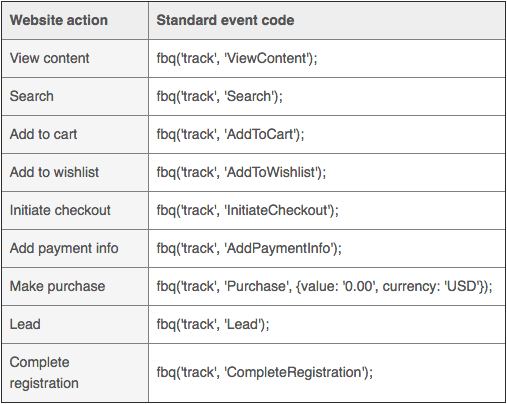
Be sure to include the Standard Event line of code in your pixel for the corresponding landing page. If you want to double check or have any questions on how to edit and place the code you can refer to the Facebook Pixel Implementation Guide. The Facebook Pixel Helper is also a great Chrome extension that helps identify if your pixels are live and placed correctly on a page. Additional Pixel Troubleshooting from the Facebook developers.
What you’ll want to do is map out the path to purchase on your website so you know which Standard Event to place on which page.- View Content: This is most useful if there is a specific page on your site that you identify as a key page view such as the product page, the additional info page, a landing page with more details that could lead to a purchase etc.
- Search: This will help identify if users are getting to your site and performing searches in your search bar. If they are, but you’re still not seeing sales you may need to revisit your targeting as users may not be finding the relevant content/product that they thought they would.
- Add to Cart: Key step to track how many people are starting the checkout process vs finishing an order. Drop offs are useful for measuring shopping cart abandonment and retargeting, but can also point out red flags in user experience if people are not converting after adding to cart.
- Add to Wish List: A great way to track extremely interested users who maybe weren’t ready to pull the trigger yet.
- Initiate Checkout: The strongest indicator of purchase intent and one of the main steps to measure the path to purchase.
- Add Payment Info: Again measuring drop offs here will be key.
- Purchase: The name of the game; tracking conversions and using that data to optimize your ads further. You can also identify the value of a sale if you have different Thank You pages for different products
- Lead: This is useful if you are having users fill out a form, redeem a free trial etc. rather than making a purchase.
- Complete Registration: Useful for identifying users that sign up for a service or a subscription through a registration form.
- Other: Use this to track any other key actions on your website that aren’t listed above.
Using these Standard Events as qualifiers, what you want to do is place the corresponding code on each page all the way from a Page View down to a Conversion. So you would have the standard pixel on the landing page, Add to Cart on the first step in the cart page, Initiate Checkout page gets its own pixel code, same for Add Payment Info and Purchase. Now if you have other relevant pages on the site then you’ll want to add the additional codes to those such as View Content for a key page view and the like.
In the end this will help you identify how many people came into the funnel at the top, how many came out the bottom with a purchase and exactly how many dropped off and at what part of the process so you can re-engage or tweak your campaigns.
-
Stop Starting from Scratch On Your Facebook Ads

If you miss a new update to the Facebook Business Manager it’d be hard to blame you as it seems there are new updates dropped in all the time unannounced. Just recently Facebook added the new feature to essentially save a draft of an ad campaign while still in creation. And it’s not only just for a few hours as I started making a new campaign on Friday and left before finalizing the ads. I came back on Monday morning and after selecting Create a Campaign, my previous ad was automatically populated and ready to go. Everything from ad copy to creative imagery. No more starting from scratch!
-
Pokemon Go: Has the Excitement Over Augmented Reality Been Premature?
After being in the market for a few weeks now, soaring to unheard of levels in popularity, as well as revenue ($200M and counting), Pokemon Go has cemented itself as a cultural phenomenon. For now.
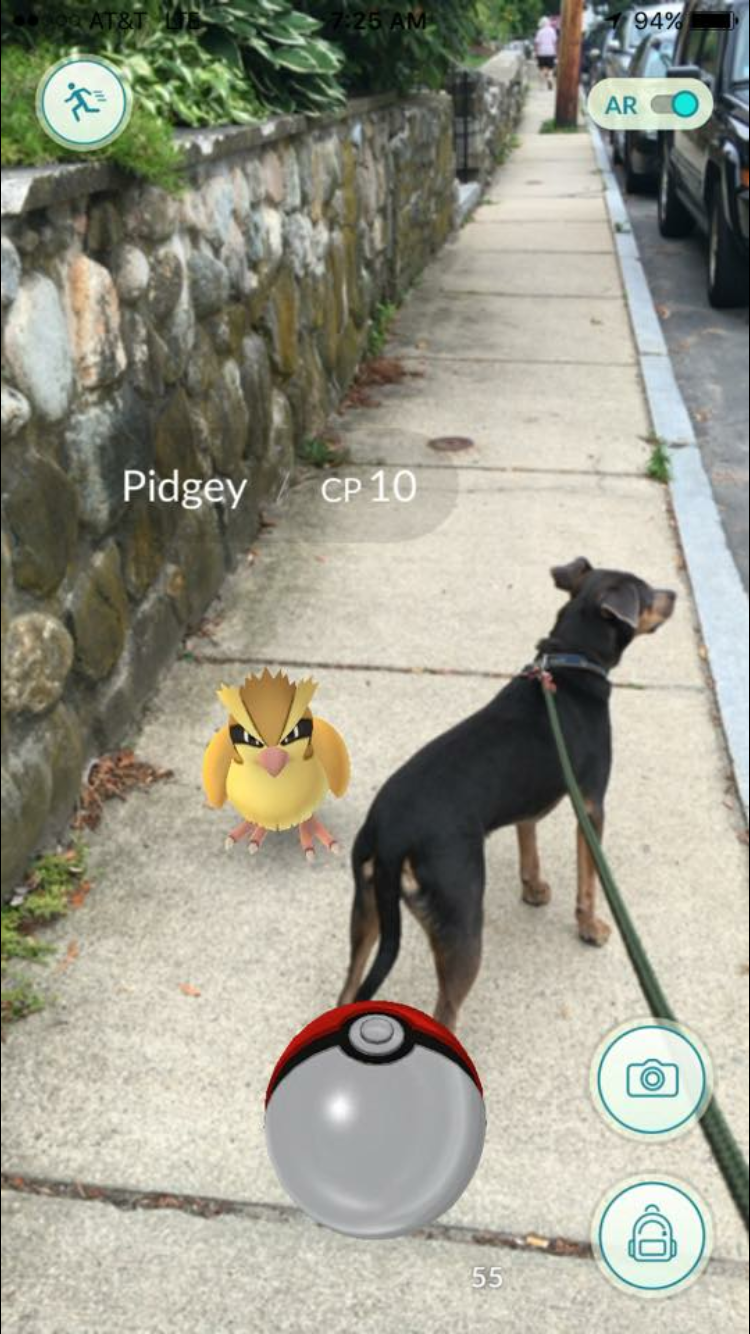
 One of the biggest features of the game and something both the tech and marketing industries are salivating over is Augmented Reality (AR). With AR, users can find and capture Pokemon on their phone’s camera so it integrates the digital world with the real world; essentially the bridge to the all encompassing Virtual Reality.As the marketing and tech worlds clamor over how to take advantage of, and monetize, the sudden massive popularity of AR, there’s just one question that people seem to be missing. How many people are actually using the AR function in Pokemon Go?
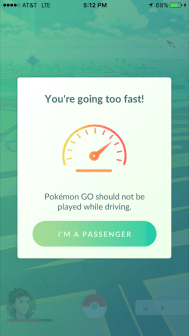
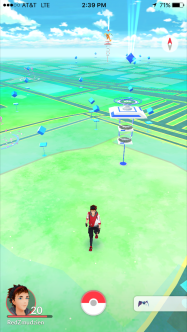 While the AR is an intriguing feature, the more people you see playing the game, the more you realize just how many people have turned the feature off. For one, it makes the game easier to play and in some cases safer (for users that play on a bike or even while driving).
 Albeit a small sample size, I polled users on Twitter and Reddit and more than 80% of respondents answered that they never use AR in Pokemon Go. So has the AR excitement been premature or is the new wave of AR Marketing coming sooner than we all expect?
It might be a bit longer, or perhaps even just take minor game enhancements, to get more people on board with the AR and thus open the floodgates for marketers. I’ve heard users complain about the AR making the camera too shaky or even causing the Niantic app to crash more frequently. In the meantime though, marketers can and should expect to take advantage of the massive popularity of the game. With more active daily users than Twitter, it’s clear the attention is there so now it’s just a matter of capitalizing on that attention without alienating users. Companies like McDonalds are getting into the game earlier than most with sponsored Pokestops. You’ll soon be seeing McDonald’s locations that are like Lure’s and Incense on steroids and perhaps even feature exclusive content.
The number one goal of a brick and mortar business is to drive foot traffic and nothing does that better than a massively popular mobile app that legitimately forces people to walk around.
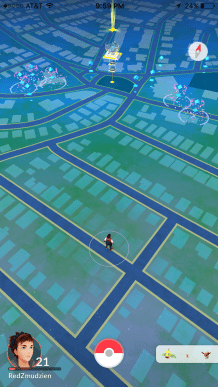 Google (who partners with app creator Niantic) has been pretty tight lipped about how marketers can get involved up to this point. So unless you’re one of those massive brands, you’ll need to rely on “old school” marketing like manually dropping Lures if you happen to be lucky enough to have a Pokestop near your business. Plenty of businesses have jumped on that opportunity already. I’ve seen it at a bar, an ice cream shop and even a hotel offering a discount on your meal. Whether AR is ready to make the jump to mainstream or not isn’t clear just yet, but what is apparent is the huge opportunity Pokemon Go presents for marketers everywhere.











 Red Zmudzien